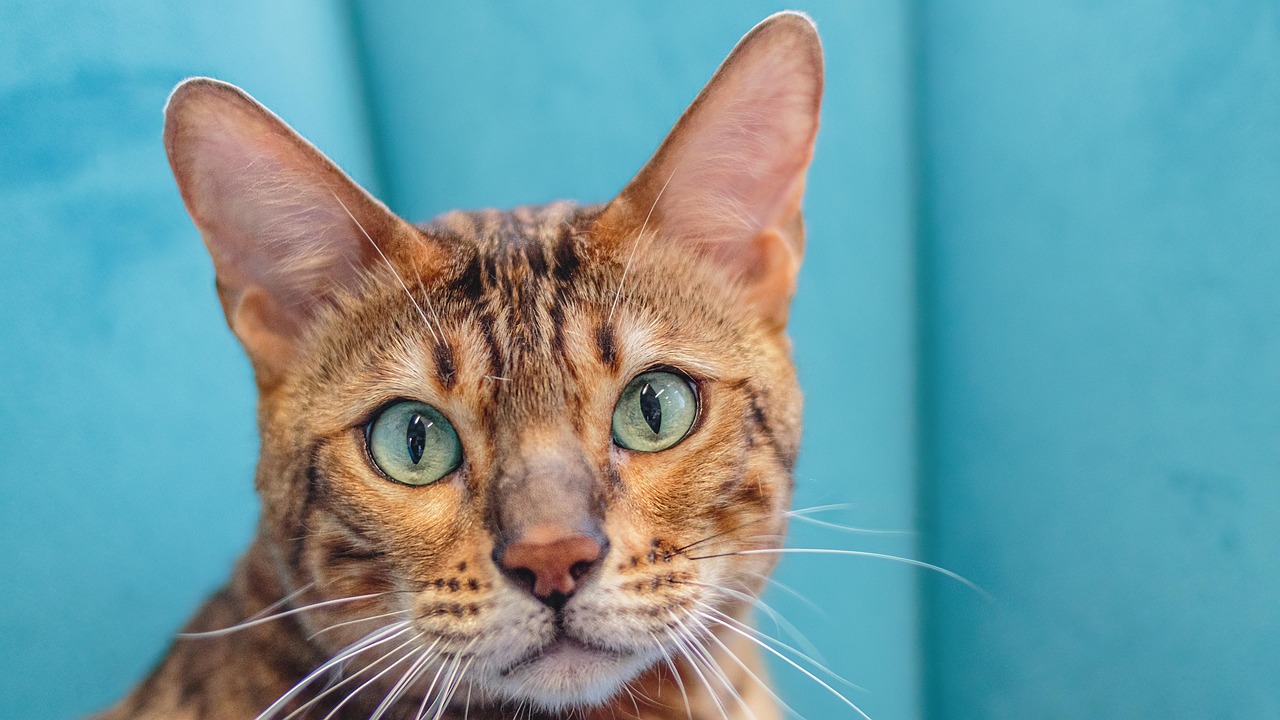
There is a persistent idea that short-haired cats groom themselves adequately and need no help. They do groom themselves — thoroughly, and that is part of the problem, because everything they remove from their coat goes down their throat. Regular brushing reduces shedding around the house and reduces hairballs, and it takes a few minutes.
Tools that suit a short coat
A short coat does not need an undercoat rake or an aggressive deshedding blade. Those are designed for dense double coats and on a short-haired cat they can scratch skin.
What works: a fine-toothed comb for checking the coat and finding parasites, a soft slicker or a rubber grooming mitt for lifting loose hair, and a soft bristle brush for finishing. A rubber mitt is often the best starting point because it feels like stroking, which is a considerable advantage with a suspicious cat.
How often
Once or twice a week is enough for most short-haired cats outside a moult, rising to every couple of days during a heavy shed in spring and autumn. Little and often is far better than a long session once a month — a cat’s tolerance is measured in minutes.
Building tolerance
Start with the areas cats generally accept: the cheeks, under the chin, along the shoulders and down the back. Leave the belly, the back legs and the tail base until the cat is comfortable, because those are the sensitive areas and pushing them early ends the session.
Stop while it is still going well. A session that ends because the cat has had enough teaches the cat that grooming ends badly; a session that ends thirty seconds early teaches the opposite.
Reading the signals
- Tail thumping or lashing — stop now.
- Skin twitching along the back — you have reached a sensitive area.
- Ears flattening or turning back — the session is over.
- Rolling onto the back — usually not an invitation to brush the belly.
A cat that is enjoying it will lean into the brush and often start purring or kneading. That is the response to aim for, and it is entirely achievable with patience.
Mats in a short coat
Short-haired cats do get mats, usually at the base of the tail, behind the elbows and on overweight cats where they cannot reach. A mat is not brushed out; it is worked apart with fingers or, if that fails, removed by a groomer or a vet.
Never cut a mat out with scissors. Cat skin is thin and mobile and lifts with the mat, and cutting a mat off a cat is one of the more common causes of a wound that needs stitches.
What brushing tells you
The value of a routine is as much diagnostic as cosmetic. Regular hands on a cat find lumps, scabs, sore spots, fleas and weight changes early. Flea dirt shows as small black specks that turn reddish on a damp tissue — a fine comb finds it long before you see a flea.
Anything that looks like a skin problem is a veterinary question rather than a grooming one.
Hairballs
Brushing reduces them because less hair is swallowed. An occasional hairball is normal in a cat; frequent hairballs, repeated retching without production, or any loss of appetite is not, and is a reason to call a vet rather than to buy a product.
Bathing
Most short-haired cats never need a bath. The exceptions are contamination with something harmful, a medical instruction, or an elderly or very overweight cat that genuinely cannot groom itself.
If a bath is necessary, use a product formulated for cats — many dog shampoos contain ingredients that are not safe for them — keep the water shallow and warm, and dry thoroughly with a towel rather than a hot dryer.
Nails and ears, briefly
Nail trimming is a separate skill and is best learned by having a vet nurse show you once. Clip only the clear tip, well away from the pink quick.
Ears should be looked at and not poked. If they look dirty or smell, that is a veterinary appointment, not a cotton bud.
A simple weekly routine
Two minutes with a rubber mitt over the back and sides, one minute with a fine comb over the neck and tail base checking for flea dirt, and a treat afterwards. That is the whole thing, and done weekly it removes a surprising amount of hair from a house.
Brushes, combs and drying towels are in grooming and drying.
Grooming an older or overweight cat
Cats that cannot reach their own back end stop grooming it, and the coat there mats and becomes greasy. This is common in older cats and in overweight ones, and it is one of the more reliable early signs that something has changed.
Those areas need help — gentle daily brushing of the lower back and base of the tail, and a veterinary check, because reduced grooming is frequently a pain or mobility symptom rather than laziness.
Multi-cat households
Groom cats separately and in a quiet room. A cat being handled in front of another cat is more likely to be tense, and the smell of a brush used on one cat can provoke a reaction in another.
Wipe the brush between cats, and use the session as a chance to check each one’s weight and coat individually — in a multi-cat home, a change in one animal is easy to miss until it is obvious.